Automated Chromosome Identification
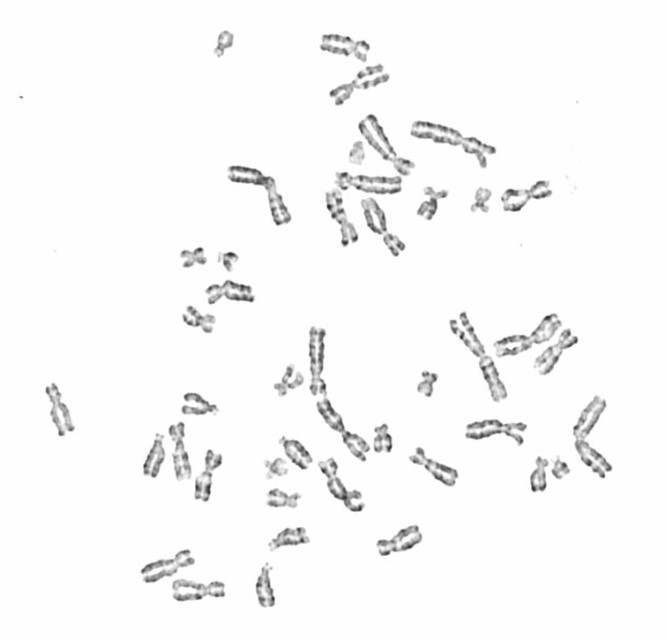
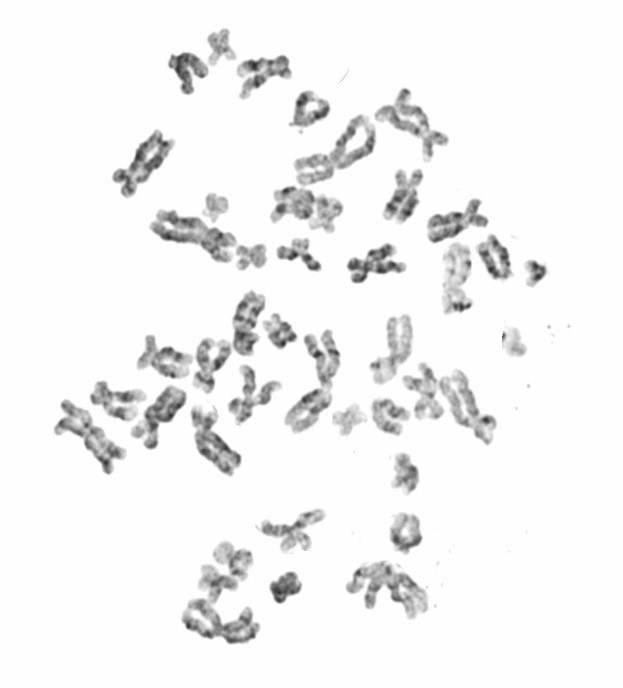
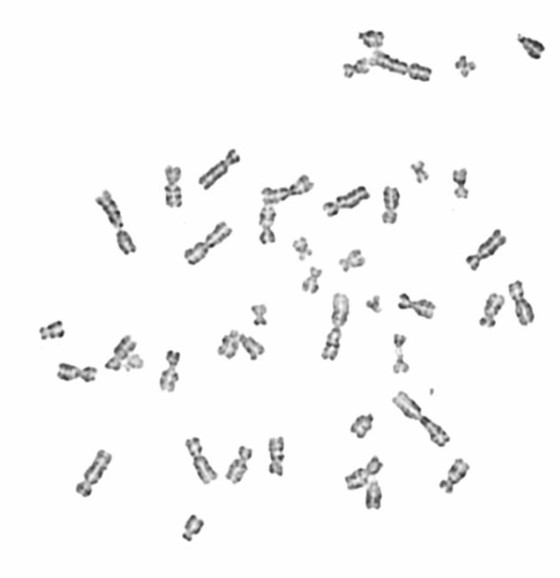
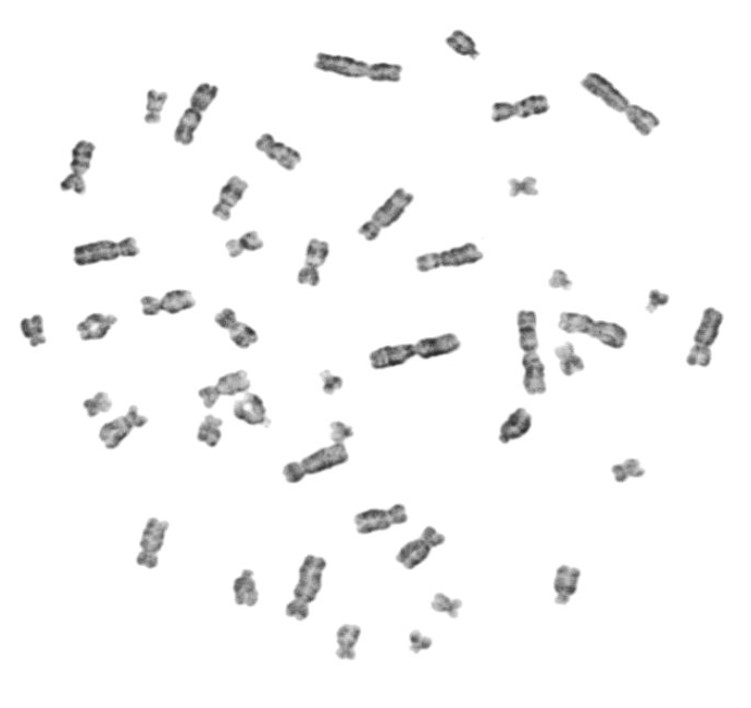
Automated Chromosome Identification leverages AI to accurately detect and differentiate individual chromosomes in an image. This feature minimizes manual effort and human error, ensuring a precise identification process that forms the basis for further karyotype analysis.

Karyotyping
The Karyotyping feature organizes identified chromosomes into pairs based on size, shape, and banding patterns, creating a visual representation of the chromosome complement. This structured arrangement is crucial for detecting chromosomal abnormalities and analyzing genetic information

Syndrome Identification
Syndrome Identification utilizes AI algorithms to detect genetic syndromes by analyzing abnormalities in the karyotype. By comparing observed chromosomal anomalies with known genetic conditions, this feature provides insights crucial for clinical diagnosis and patient management.

Image Preprocessing
Image Preprocessing enhances the quality of chromosome images through techniques like noise reduction, contrast enhancement, and normalization. This step ensures that the images are optimized for accurate and efficient analysis, leading to more reliable karyotype results.

Interactive Visualization
Interactive Visualization offers users a dynamic interface to explore karyotype results. This feature allows zooming, panning, and detailed inspection of chromosomes, making it easier to identify abnormalities and understand genetic information.

Cloud Integration
Cloud Integration enables secure, scalable access to analysis results from anywhere, facilitating collaboration among healthcare professionals. This feature supports seamless data sharing, storage, and management, enhancing the efficiency and accessibility of genetic analysis workflows.